Control Slopes and Expand Usable Ground
Retaining Walls in Burlington for properties with erosion along grade changes or limited flat space
Flatwork Solutions LLC builds concrete retaining walls that hold back soil on sloped properties and create level areas where you can install patios, walkways, or landscaping. If water runoff is cutting channels through your yard or you're losing soil along a hillside, a retaining wall provides the structural support needed to stabilize the slope and prevent further erosion. The walls are poured or built with reinforced concrete, which gives them the strength to handle lateral pressure from saturated soil and freeze-thaw movement.
A retaining wall works by transferring the weight of the soil it holds into a footing below grade, which anchors the structure and keeps it from tipping or sliding. Drainage is incorporated behind the wall using gravel backfill and weep holes or perforated pipe, so water doesn't build up and add pressure that could crack or shift the wall over time. The result is a stable barrier that manages elevation changes and allows you to use areas of your property that were previously too steep or unstable.
Contact us for a site evaluation to assess soil conditions, slope angle, and how the wall will integrate with your existing landscape or hardscape.
How Retaining Walls Are Built for Long-Term Performance
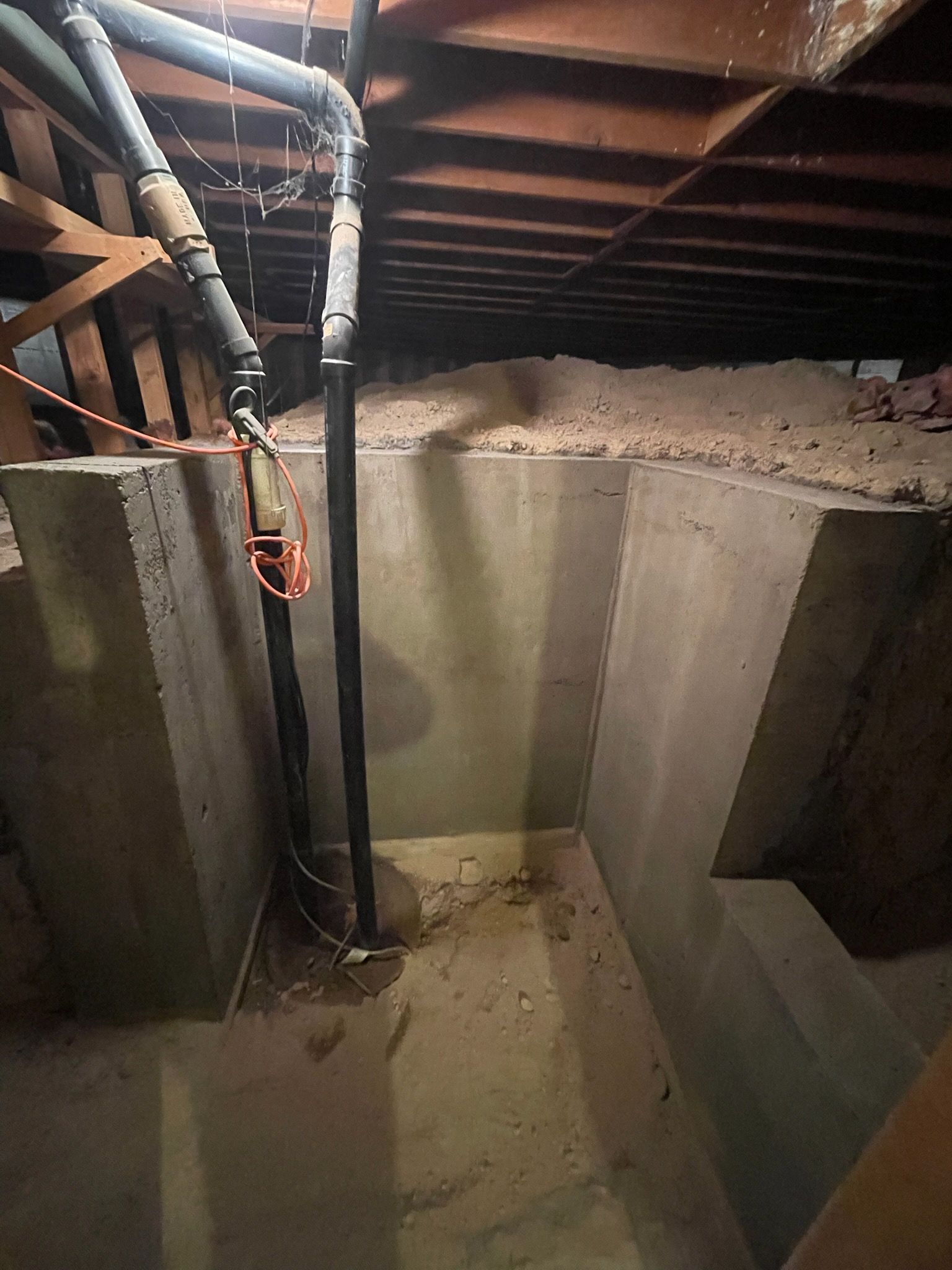
The installation begins with excavation to reach stable soil below the frost line, which in this region is typically 36 to 48 inches deep. A concrete footing is poured to provide a level base, and rebar is set vertically to tie the footing to the wall. Once the footing cures, forms are built to the planned height and length of the wall, and additional rebar is placed horizontally to reinforce the structure. Concrete is poured into the forms, and the surface is finished smooth or textured depending on your preference.
After the wall cures, you'll see a solid vertical surface that doesn't lean or shift when the soil behind it becomes saturated. Flatwork Solutions LLC backfills the area with gravel to promote drainage, and weep holes are spaced along the base to allow water to escape rather than building pressure. The wall will hold its position through seasonal freeze-thaw cycles, and the soil it retains will stay in place rather than washing downhill during heavy rain.
The wall can be tied into existing patios or used as a boundary for raised planting beds, but we do not include soil grading, sod installation, or irrigation work in the retaining wall installation. If your property requires multiple tiers, each wall is built with adequate spacing and drainage to prevent pressure from stacking. Walls over four feet tall may require engineering review depending on local building requirements.
What Homeowners Ask About Retaining Wall Projects
Property owners in Burlington often need clarity on how retaining walls are designed to handle soil pressure and what factors affect the project timeline.
What determines the thickness of a concrete retaining wall?
Wall thickness depends on height and soil type, but most residential walls are eight to twelve inches thick, with additional reinforcement added for taller structures or clay soils that retain more water.
How does drainage prevent a retaining wall from failing?
Gravel backfill and weep holes allow water to drain away from the back of the wall, which reduces hydrostatic pressure that can cause cracking, tilting, or complete failure over time.
Why does the footing need to be below the frost line?
Soil below the frost line doesn't freeze and heave, so placing the footing there prevents the wall from shifting or lifting during winter, which is critical in Burlington's climate.
What happens if the soil behind the wall settles after construction?
Some settling is normal, but if large voids form, additional backfill may be needed to prevent water from pooling, and this is easiest to address within the first year after installation.
How long does a concrete retaining wall take to build?
A typical residential wall can be completed in one to two weeks, depending on excavation depth, curing time for the footing, and whether forms need to be built in sections for longer runs.
Contact Flatwork Solutions LLC to schedule a site visit and discuss the slope, soil conditions, and how the retaining wall will fit with your landscaping plans.